

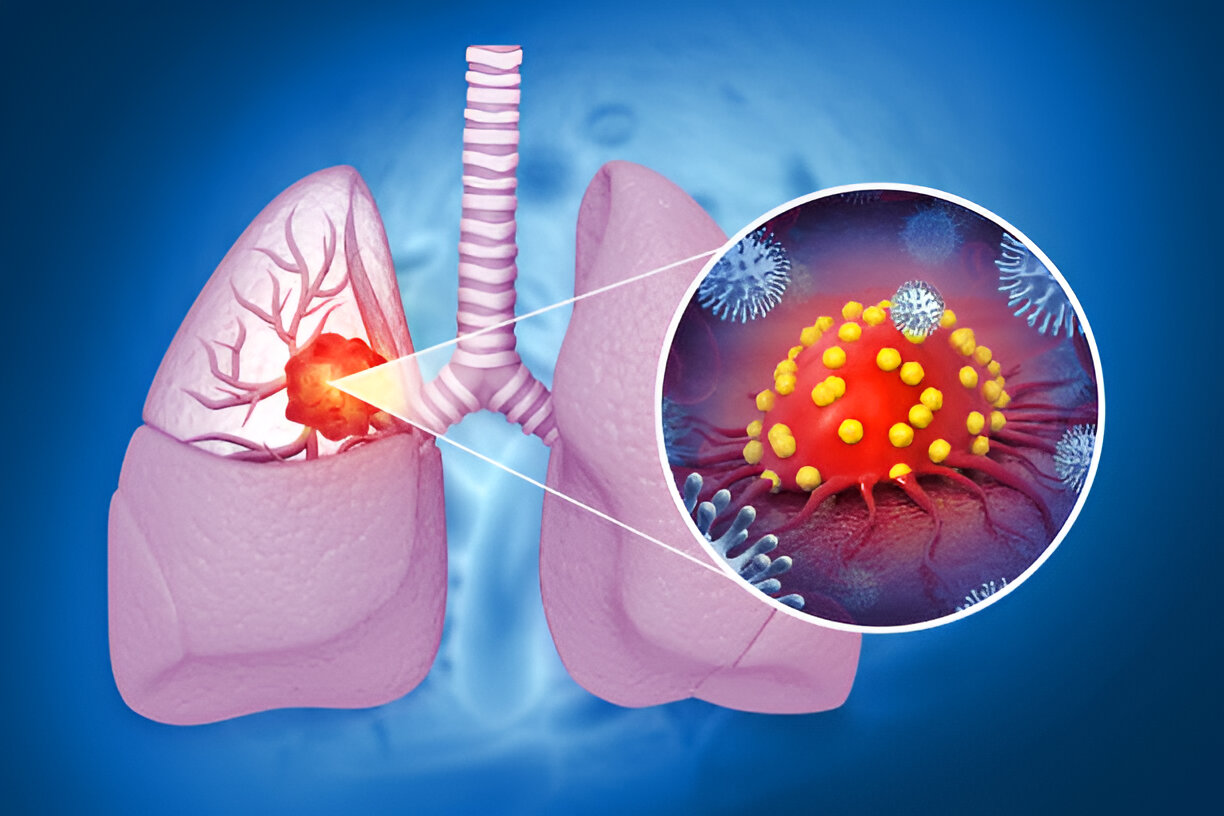
Interstitial lung disease (ILD) refers to a group of lung conditions that can cause inflammation and scarring of the lung tissue. When significant scarring develops, it may be referred to as pulmonary fibrosis. These conditions can affect the lungs' ability to transfer oxygen efficiently and may cause progressive breathing difficulties. Best Interstitial Lung Disease & Lung Fibrosis Treatment in South Mumbai
Dr. Mehul Shah is a Pulmonologist and Chest Physician in South Mumbai with clinical practice experience since 2011. He holds an MBBS, MD in Pulmonary Medicine and DNB in Respiratory Diseases. He provides evaluation and treatment for interstitial lung disease, lung fibrosis and other respiratory conditions.
Interstitial lung disease can have different causes, and the symptoms and progression may vary from person to person. A detailed medical history, clinical examination and appropriate investigations can help identify the type and severity of lung disease and guide treatment.
Interstitial lung disease is a broad group of disorders that affect the tissue surrounding the air sacs of the lungs. Inflammation or scarring of this tissue can make the lungs stiffer and may interfere with normal oxygen exchange.
Some forms of interstitial lung disease may remain stable, while others can progress over time. Early evaluation and regular monitoring can help doctors assess the condition and determine appropriate management.
Symptoms can vary depending on the underlying type of interstitial lung disease and how advanced the condition is. Common symptoms may include:
Interstitial lung disease can develop due to several different causes. In some patients, the exact cause may not be identified. Possible causes and risk factors include environmental and occupational exposure, autoimmune conditions, certain medications, radiation therapy and other underlying diseases.
Diagnosis of interstitial lung disease usually involves a detailed medical history, physical examination and appropriate investigations. A Pulmonologist may recommend different tests depending on the patient's symptoms, examination findings and suspected type of lung disease.
High-resolution CT (HRCT) of the chest can provide detailed images of the lung tissue and may help identify patterns associated with different types of interstitial lung disease. Pulmonary function tests can help assess lung capacity and how effectively the lungs transfer oxygen.
Tests such as spirometry, DLCO and a six-minute walk test may be recommended when clinically appropriate to assess respiratory function and monitor changes over time.
Treatment depends on the specific type of interstitial lung disease, its cause, severity, symptoms and rate of progression. Some patients may require medicines to control inflammation or slow disease progression, while others may require supportive respiratory care and regular monitoring.
Depending on the diagnosis, management may include prescribed medications, treatment of an underlying autoimmune or other condition, oxygen therapy when required, pulmonary rehabilitation, vaccination and lifestyle measures.
Patients should follow their prescribed treatment plan and attend recommended follow-up appointments. Medicines should not be started, stopped or changed without medical advice.
Regular medical follow-up is important for patients with interstitial lung disease and pulmonary fibrosis. Monitoring symptoms and lung function can help the treating doctor assess whether the condition is stable or requires a change in management.
Avoiding smoking and unnecessary exposure to dust, fumes and other respiratory irritants may also be beneficial. Patients should discuss vaccinations, exercise, nutrition and pulmonary rehabilitation with their healthcare professional when appropriate.
You should consider consulting a Pulmonologist or Chest Physician if you experience:
Dr. Mehul Shah is a Pulmonologist and Chest Physician in South Mumbai with clinical experience since 2011. He provides evaluation and treatment for interstitial lung disease, lung fibrosis and other respiratory conditions.
With qualifications including MBBS, MD in Pulmonary Medicine and DNB in Respiratory Diseases, his approach focuses on appropriate diagnosis, evidence-based treatment and clear communication with patients.
If you are experiencing persistent cough, breathlessness, reduced exercise tolerance or other respiratory symptoms, a consultation with a Pulmonologist can help evaluate the underlying cause and determine appropriate investigations and treatment. Best Interstitial Lung Disease and Lung Fibrosis Treatment in South Mumbai
Dr. Mehul Shah provides Pulmonology and Chest Medicine consultation in South Mumbai. To schedule a consultation for interstitial lung disease, lung fibrosis or other respiratory conditions, call +91 75065 05066.
Ans - Interstitial lung disease is a group of lung disorders that can cause inflammation or scarring of the lung tissue. Different types of ILD can have different causes and patterns of progression.
Ans - Common symptoms may include persistent dry cough, shortness of breath, reduced exercise tolerance and fatigue. Symptoms can vary depending on the underlying condition.
Ans - ILD may be associated with environmental or occupational exposures, autoimmune diseases, certain medications, radiation treatment and other conditions. In some patients, the exact cause may not be identified.
Ans - Diagnosis may involve a medical history, physical examination, chest imaging such as HRCT, pulmonary function testing and blood tests. Additional investigations may be recommended depending on the suspected type of ILD.
Ans - Treatment depends on the specific type and cause of lung fibrosis. Some forms can be managed with medicines and supportive care, while treatment goals may include controlling symptoms and slowing disease progression.
Ans - Depending on the condition, monitoring may include pulmonary function tests, DLCO, HRCT imaging, oxygen assessment and walking tests such as the six-minute walk test.
Ans - Persistent or worsening breathlessness, chronic dry cough, reduced exercise tolerance or abnormal chest imaging should be medically evaluated by a Pulmonologist.