

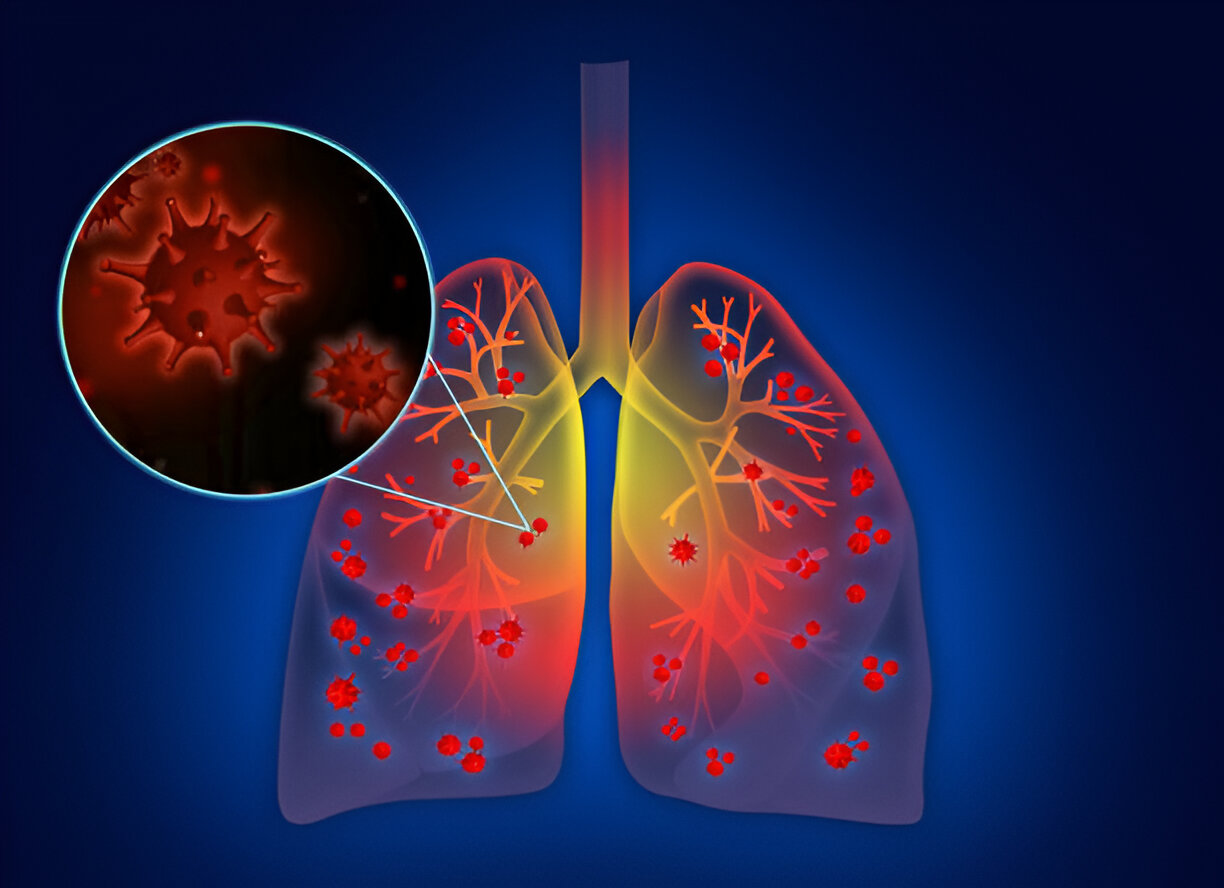
Lung and respiratory infections can affect the airways, lungs and other parts of the respiratory system. They may be caused by viruses, bacteria or other infectious organisms and can range from mild illnesses to conditions that require prompt medical attention. Symptoms such as persistent cough, fever, phlegm, chest discomfort, wheezing and difficulty breathing should not be ignored, especially when they are severe or continue to worsen. Best Doctor for Lung & Respiratory Infections In South Mumbai.
Dr. Mehul Shah is a Pulmonologist and Chest Physician in South Mumbai with clinical practice experience since 2011. He holds an MBBS, MD in Pulmonary Medicine and DNB in Respiratory Diseases. His approach focuses on careful evaluation, evidence-based treatment and clear communication with patients and their families.
Respiratory symptoms can have several possible causes, and not every cough or breathing problem is due to an infection. A detailed medical history, clinical examination and appropriate investigations can help identify the underlying cause and guide treatment.
Respiratory infections are infections involving the respiratory tract, including the nose, throat, airways and lungs. Some infections affect the upper respiratory tract, while others can involve the lower respiratory tract and lungs. Lower respiratory infections such as pneumonia and certain forms of bronchitis can sometimes become serious, particularly in older adults, young children, people with chronic lung diseases and individuals with weakened immunity.
Some of the common respiratory and lung infections evaluated by a pulmonologist include:
Many minor respiratory infections improve with appropriate care. However, medical evaluation may be important when symptoms are persistent, recurrent, severe or associated with breathing difficulty.
You should consider consulting a Pulmonologist or Chest Physician if you experience:
Pneumonia is an infection that causes inflammation in the air sacs of one or both lungs. The air sacs may fill with fluid or inflammatory material, which can make breathing difficult. Pneumonia can be caused by different infectious organisms, and the symptoms and severity can vary from person to person.
Common symptoms of pneumonia may include cough, fever, chills, chest discomfort, fatigue and shortness of breath. Medical assessment is important when symptoms are significant or worsening.
Bronchitis occurs when the bronchial tubes become inflamed. Acute bronchitis is often associated with respiratory infections and may cause cough, mucus production and chest discomfort.
A persistent or recurrent cough should be evaluated to determine whether bronchitis, asthma, COPD, an infection or another respiratory condition may be responsible.
Tuberculosis, commonly known as TB, is an infectious disease that can affect the lungs. Pulmonary tuberculosis may cause a persistent cough, fever, night sweats, fatigue and unexplained weight loss.
Some forms of tuberculosis can be difficult to diagnose or treat, particularly when drug resistance is involved. Appropriate medical evaluation, testing and adherence to the recommended treatment plan are important.
People living with chronic respiratory conditions such as asthma and COPD may experience worsening respiratory symptoms during or after an infection. An infection may increase coughing, mucus production, wheezing or breathlessness.
Patients with asthma or COPD should follow their individual treatment plan and seek medical advice when respiratory symptoms become significantly worse or do not improve as expected.
Depending on the symptoms and suspected condition, a Pulmonologist may recommend appropriate investigations to identify the cause and assess the severity of a respiratory problem. These may include:
Treatment depends on the underlying cause, severity of symptoms, medical history and investigation findings. Respiratory infections are not all treated in the same way, so identifying the likely cause is important.
Depending on the diagnosis, management may involve supportive care, medicines prescribed according to the underlying infection, treatment of associated airway disease and monitoring of respiratory status.
Antibiotics are used for certain bacterial infections but are not effective against viral infections. Therefore, antibiotics should only be taken when medically appropriate and as advised by a qualified healthcare professional.
Dr. Mehul Shah is a Pulmonologist and Chest Physician in South Mumbai with clinical experience since 2011. He provides evaluation and treatment for lung and respiratory infections, pneumonia, bronchitis, tuberculosis, asthma and COPD. With MBBS, MD Pulmonary Medicine and DNB Respiratory Diseases, he focuses on evidence-based care, accurate diagnosis and clear communication with patients.
A consultation with a Pulmonologist can help evaluate persistent cough, fever, phlegm, breathlessness, wheezing, recurrent chest infections, pneumonia and tuberculosis. Dr. Mehul Shah provides Pulmonology and Chest Medicine consultation in South Mumbai, with careful evaluation and patient-specific treatment planning. For a Best Doctor for Lung & Respiratory Infections in South Mumbai, call +91 75065 05066 .
Ans - Common symptoms may include cough, phlegm, fever, chills, chest discomfort, wheezing, tiredness and shortness of breath. Symptoms can vary depending on the underlying cause and severity.
Ans - A persistent, recurrent or worsening cough, especially when associated with breathlessness, wheezing, fever, blood in sputum or unexplained weight loss, should be medically evaluated.
Ans - Yes. Some respiratory infections can cause inflammation, mucus production or changes in lung function that may result in breathlessness. Significant or worsening breathing difficulty requires prompt medical assessment.
Ans - No. Antibiotics are useful against certain bacterial infections but do not treat viral infections. The appropriate treatment depends on the suspected or confirmed cause of the infection.
Ans - Respiratory infections can trigger or worsen asthma symptoms in some people. Patients with asthma should follow their prescribed asthma management plan and seek medical advice if symptoms become difficult to control.
Ans - People with COPD can develop respiratory infections, and an infection may cause an increase in cough, sputum production or breathlessness. Medical evaluation may be needed when symptoms worsen.
Ans - Severe or rapidly worsening breathlessness, low oxygen levels, confusion, significant chest pain, coughing up blood or severe weakness can require urgent medical attention. If symptoms are severe or rapidly worsening, seek emergency medical care.